Self-Care for Children
Teaching children the importance of self-care is one of the most meaningful gifts we can offer. By weaving mindfulness and magic into their lives, we not only empower them to nurture themselves but also inspire them to embrace their unique magic. Children, whether they’re budding young witches or simply curious about the world, can benefit from practicing mindful magic. It helps them develop emotional resilience. It also fosters creativity and a connection to the natural world.
Why Mindful Magic Matters for Children
Children are naturally curious and imaginative, making them perfect candidates for mindful magical practices. These practices encourage kids to:
- Connect with their emotions: Simple rituals and tools help children understand and express how they feel.
- Develop focus and calm: Mindfulness teaches them to slow down and find peace in a fast-paced world.
- Build self-confidence: Magic encourages creativity and self-expression, fostering self-belief.
- Respect nature and cycles: Magical practices rooted in nature help kids feel connected to the Earth and its rhythms.
How to Introduce Mindful Magic to Children
Keep It Simple and Fun
Magic for kids should be lighthearted and age-appropriate. Begin with easy practices that feel like play. One idea is making a “magic potion” with water, flower petals, and a pinch of glitter. Another idea is creating a mini altar with stones and leaves they collect on a nature walk. I think my daughter still has a pine cone we collected in kindergarten.
Use Everyday Magic
Help kids see the magic in their daily lives. Watching a butterfly, blowing bubbles, or planting a seed are all magical acts when done with intention. Teach them to say a small “thank you” spell to the Earth. Or express gratitude to the moon. This is a way to honor nature.
Emotion Bottles: Identify and Visualize Emotions
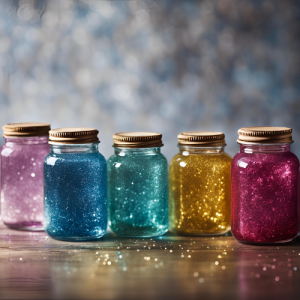
- What You Need: jars that can seal and are clear (upcycle water bottles, jam jars), water, glitter, food coloring, tape and a marker.
- How It Works:
- Fill the jars with water. Add glitter and a few drops of food coloring. Make each jar a different colour.
- Ask the child what emotion each colour represents. They may not be able to name it yet.
- When experiencing ‘big’ emotions ask the child to pick the jar that represents how they feel.
- With the tape and marker label the jars as the child identifies the corresponding emotion. It is okay if it doesn’t match your perception.
- Explain that the glitter represents their thoughts and emotions.
- Shake the bottle to show how emotions can swirl and then settle as it calms down. Have the child watch and breath with the swirls and settling glitter.
Instilling Magical Self-Care Habits
Encourage Gratitude
Gratitude is a simple yet powerful magical act. Help children practice by asking them to name one thing they’re thankful for each day. Create a gratitude ritual. Light a small candle with adult supervision or place a flower in water. These acts can honor their blessings.
We created a nightly ritual of meditation and shared gratitude when my children were about five years old. Meditation cycles often only lasted 30 seconds but it starts the habit. Discussing gratitude might help children understand the concept. Share what you are grateful for as an example. Don’t be disappointed if there is five nights of gratitude for their favourite television show.
Having trouble exploring gratitude? Check out this book: Grateful Grit.
Teach Emotional Release
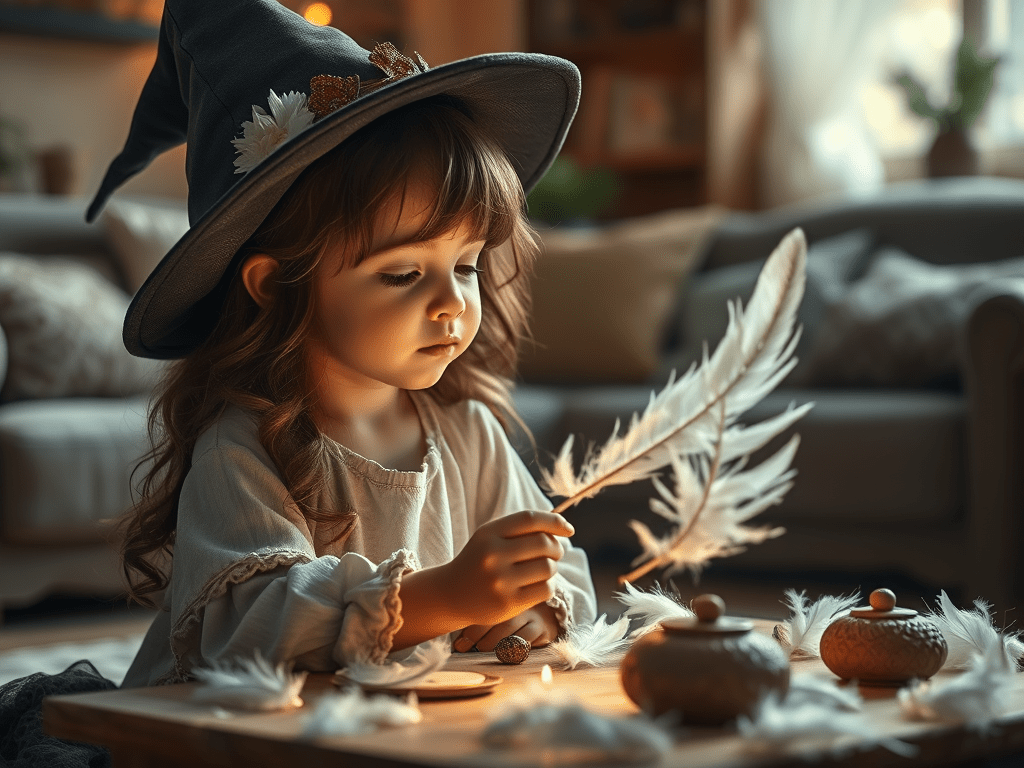
Children feel emotions intensely, and teaching them safe ways to release them is essential. Encourage them to blow their anger into a feather. Then, let them release it into the wind. Or have them stomp their frustrations into the ground like a magical dance.
I am a fan of confetti magic. Write the thought on paper and tear it into small pieces tossing them up in the air in celebration. Yes, there will be some sweeping or vacuuming – but they are witches after all.
Celebrate the Moon’s Magic
Introduce children to the cycles of the moon and how they can mirror our emotions and energy. During the full moon, have them write down things they want to let go of. Then, safely tear the paper into pieces to symbolize release.
Magic as a Tool for Resilience
Teaching children mindful magic is about more than creating spells or rituals. It’s about giving them the tools to navigate life’s challenges with grace and creativity. It’s about instilling a sense of wonder and reminding them that they are connected to something bigger than themselves.
By starting young, we nurture their emotional well-being and empower them to grow into confident, compassionate, and mindful individuals.
Share the Magic
How do you introduce mindfulness and magic to the young witches in your life? Share your stories and ideas in the comments! And don’t forget to subscribe to our blog for more magical self-care tips. Together, we can help the next generation embrace their magic and shine bright!
 Mindful Magic